AI Clinical Documentation
Best AI medical scribe for small practices: what to look for
Notat AI Team · July 10, 2026 · 6 minutes
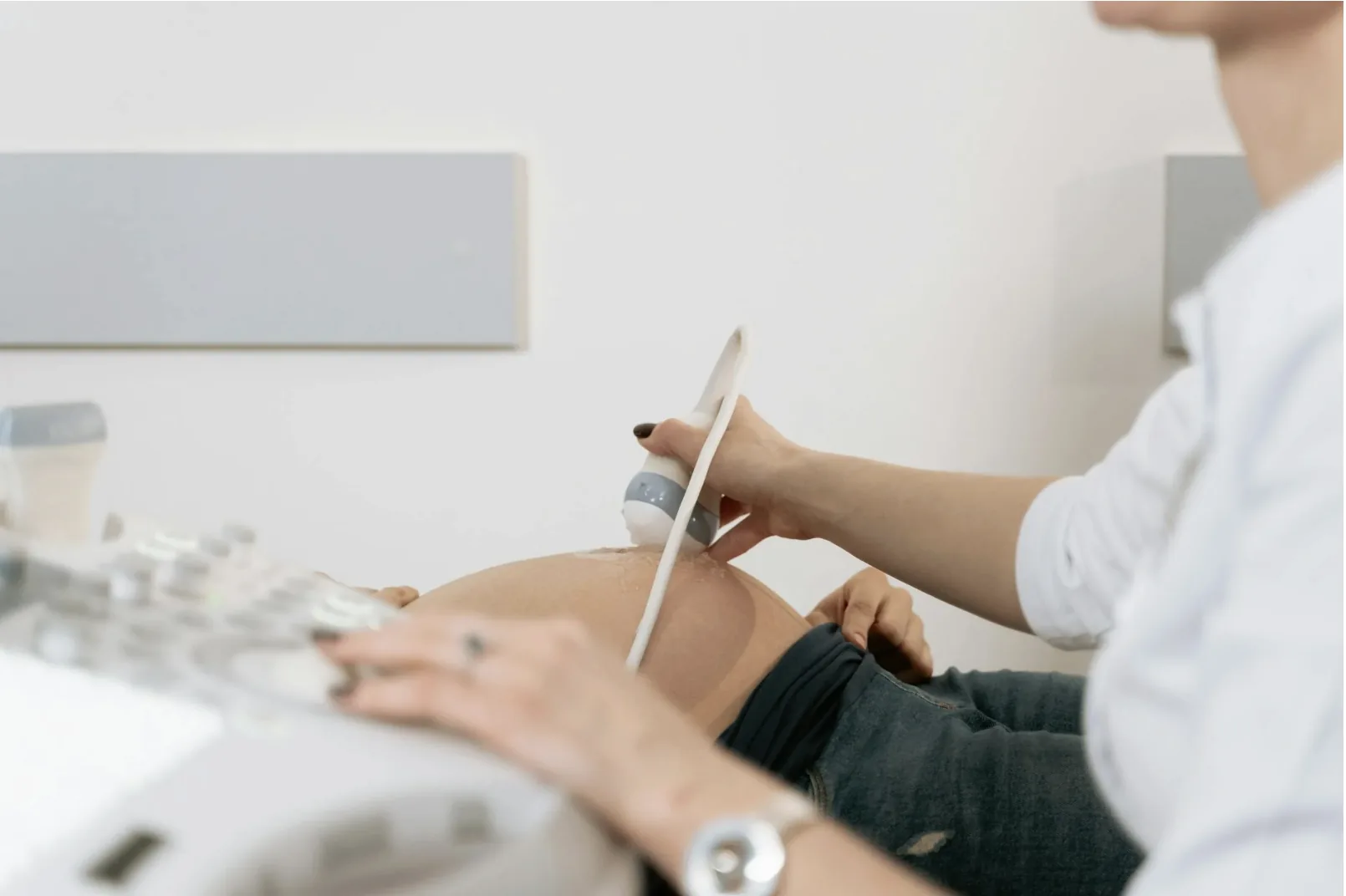
Choose the best AI medical scribe for a small practice by comparing setup, review burden, visible facts, coding evidence, EHR fit, privacy, and cost.
The best AI medical scribe for a small practice reduces documentation without creating a new IT project. It should be quick to start, easy to review, transparent about the facts behind each note, compatible with the clinic's record workflow, and clear about privacy and cost.
What should a small practice prioritize?
Small practices do not have spare implementation teams. A useful AI scribe must work within the pace of a normal clinic and make the clinician's day simpler from the first patient onward.
Prioritize these seven requirements:
- Self-serve onboarding that does not depend on a lengthy enterprise deployment.
- Notes generated from the natural clinical conversation, without dictation commands.
- A review workflow that exposes the clinical facts behind the draft.
- Specialty-aware notes that do not require constant template maintenance.
- Coding suggestions connected to documentation evidence.
- Flexible export into the existing EHR workflow.
- Clear security, retention, and patient-data policies.
Why review burden matters more than demo quality
A polished demonstration can hide the real cost of an AI scribe: the time required to verify every note. If a clinician has to replay audio, search a transcript, or reconstruct the encounter to understand why a statement appeared, the product has moved documentation work rather than removed it.
Ask vendors to show the complete review path. Can the clinician inspect symptoms, findings, medications, decisions, and follow-up plans separately from the generated prose? Can an incorrect fact be fixed before the note is regenerated? Is the final output explicitly clinician-approved?
Notat AI addresses this with the FactsContext™ engine. It extracts structured clinical facts first, shows that context to the clinician, and writes the note from the reviewed facts. The goal is not blind trust. It is faster, more concrete verification.
How should an AI scribe fit the EHR?
The best workflow is the one the practice can adopt now. For some clinics that means an integration; for others it means reliable, structured output that can be reviewed and transferred without changing the record system.
Notat AI supports Epic and other EHR workflows without requiring a clinic to adopt an Epic-first enterprise stack. See the EHR-integrated AI scribe and Epic AI scribe alternative pages for the available approaches.
What else should a small clinic test?
Run a pilot using real clinical complexity, not a scripted conversation. Include a multi-problem visit, a medication correction, diagnostic uncertainty, a coding-sensitive assessment, and the languages clinicians encounter in practice.
Measure:
- Time from stopping the recording to signing the note.
- Unsupported or missing clinical statements.
- Number and type of edits.
- Usefulness of suggested codes and supporting facts.
- Performance across specialties, devices, and languages.
- How much training clinicians need before using it independently.
Notat AI supports spoken capture across 99+ languages and uses the same fact layer for notes, coding suggestions, referrals, patient instructions, and EHR-ready output. That is especially useful for a small team that cannot maintain a separate tool for every task.
Why Notat AI fits small practices
Notat AI is designed around the constraints that make small-practice adoption difficult: limited implementation capacity, high visit volume, fragmented EHR workflows, and justified concern about AI-generated clinical statements.
The workflow is straightforward: record the natural consultation, inspect the extracted facts, review the draft, confirm any coding suggestions, and approve the final record. There are no dictation commands and no requirement to select a rigid note format before the conversation begins.
FAQ
Does an AI scribe replace clinician review?
No. The AI drafts documentation; the clinician reviews, edits, and approves it. The signing clinician remains responsible for the medical record.
Does a small practice need an enterprise EHR integration?
Not necessarily. Integration can help, but a reliable export workflow may be the faster and more practical starting point. Evaluate the complete path from consultation to signed record.
What makes FactsContext different from a transcript?
A transcript is a chronological record of speech. FactsContext is a structured layer of clinical information extracted before the note is written and made visible for review.

The bottom line
Small practices should choose an AI scribe by daily review effort, not by the smoothest demo. The strongest option starts quickly, works with the clinic's existing systems, and lets clinicians see what supports the note.
Test the full workflow with your own specialty, language, and documentation style before choosing a system for the practice.