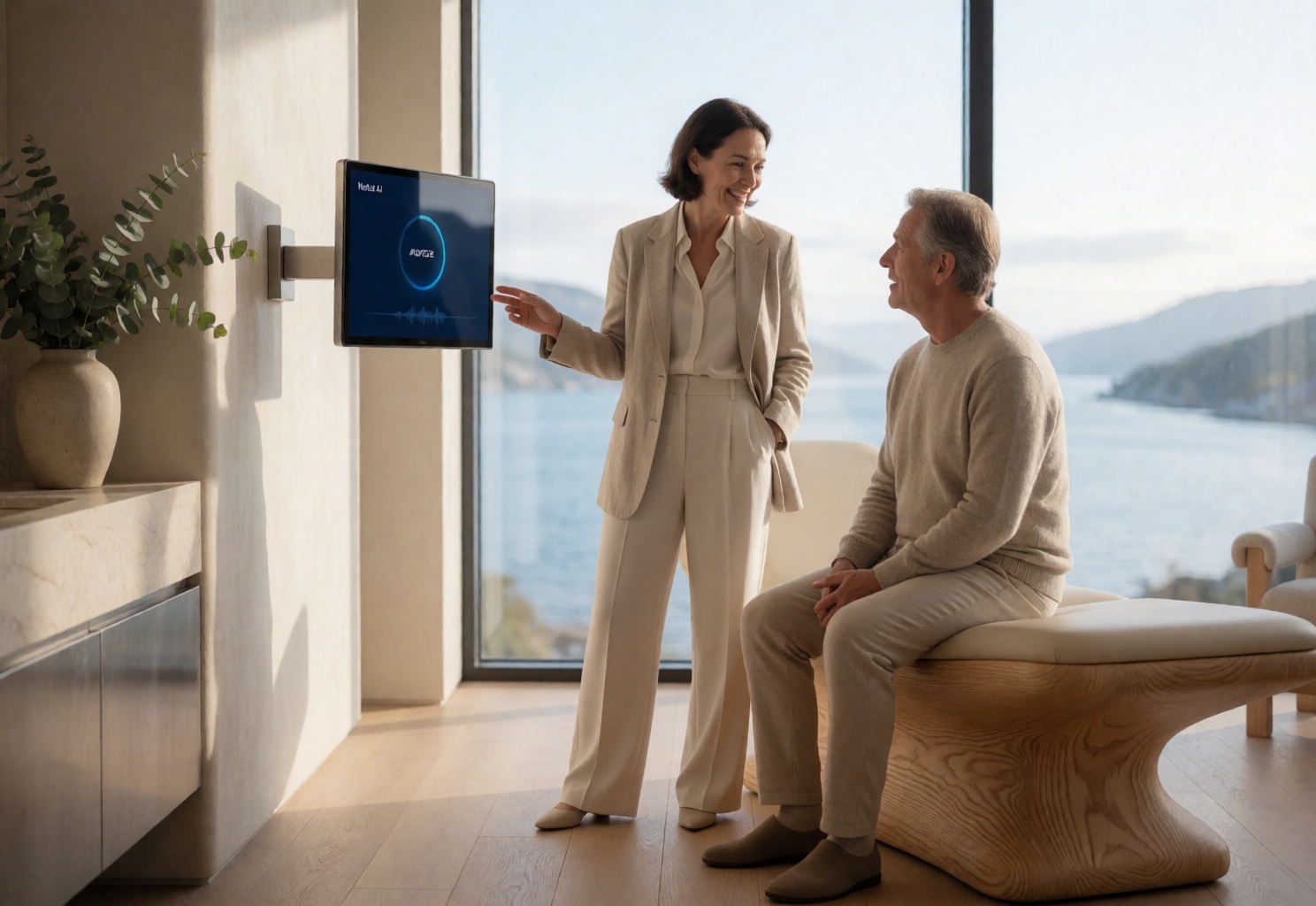
The hardest conversations deserve your full attention, not a laptop.
Notat listens through the visit — history, treatment response, difficult questions — and drafts the note afterward, so you can stay present with the patient.
Free: 10 notes a month. No setup.
Follow-up after cycle 3, reviewing scan results and side effects
A follow-up visit reviewing treatment response and managing side effects. The conversation matters as much as the data — you stay focused on her, not a screen.
Friday, 11:00
Patient
“The fatigue has been rough this cycle, and I've had some nausea the first few days after.”
You
“The scan shows the tumor has reduced by about 30 percent since we started. Let's talk about managing the nausea better this cycle.”
Patient
“That's really good news about the scan. What can we adjust for the nausea?”
While you talked, Notat pulled out:
Response, side effects, and the plan, structured from the conversation.
Side effects
· Fatigue, significant this cycle
· Nausea, first few days post-treatment
Treatment response
· Tumor reduction ~30% on imaging
Patient wellbeing
· Managing but requesting better nausea control
Plan discussed
· Antiemetic regimen adjustment
Oncology follow-up note — drafted
S
Follow-up post-cycle 3. Significant fatigue this cycle. Nausea first few days post-treatment.
O
Imaging shows ~30% tumor reduction since treatment start. Performance status stable.
A
Partial treatment response (C50.9, treatment status). Nausea inadequately controlled with current regimen.
P
Antiemetic regimen adjusted for next cycle. Continue current chemotherapy protocol. Follow-up after cycle 4.
Documented afterward, from memory of a conversation you were fully present for — not typed during it.
FactsContext™ lets you stay present, and still get an accurate note
In an oncology visit, eye contact matters more than almost anywhere else in medicine. Notat's FactsContext™ engine extracts the clinical facts from the conversation — response, side effects, plan — so you can give your full attention to the patient and still get a note you can verify afterward.
Facts extracted, not assumed
FactsContext™ pulls structured facts from the conversation, so nothing depends on what you remember to write down later.
Every fact has a source
Tap any line in the draft to see the exact exchange behind it. Verification takes seconds.
Built for difficult conversations
European hosting, encryption, and retention you control. What's said in the room stays protected.
A full day of follow-ups, present for every conversation
This is what an oncology clinic day looks like when documentation doesn't compete for your attention.
08:30
First follow-up
You tap record and give the patient your full attention — no laptop between you.
11:00
Scan results discussed
A conversation you were fully present for. The note is drafted from it afterward.
13:00
Lunch, actually taken
No notes trailing you into your break.
17:00
Last patient seen
Every follow-up note drafted, reviewed, and signed by end of day.
17:20
You go home
No stack of difficult conversations to reconstruct from memory that evening.
The hardest news deserves to be discussed in the patient's own language
A patient and family discuss treatment options in Ukrainian. Notat captures 90+ spoken languages and drafts the note in the language your clinic runs on.
Patient speaks Ukrainian → your note in English
English
Norsk
Dansk
Svenska
Suomi
Eesti
Nederlands
Deutsch
Español
Italiano
Français
العربية
Polski
Português (Brasil)
Português (Portugal)
Notes built for the full course of treatment
The structures oncology practices run on, ready from day one.
New patient consult note
History, staging, and treatment plan discussion, structured and complete.
Treatment follow-up note
Response, side effects, and plan adjustments, tracked cycle by cycle.
Multidisciplinary summary
A clear summary for tumor board or team review.
Survivorship care plan
Follow-up schedule and long-term monitoring, ready to hand to the patient.
2,000+
clinicians use Notat
90+
spoken languages supported
10
free notes every month
Questions clinicians actually ask
Will using this affect how present I am with patients?
Most oncologists find the opposite — because you're not typing, you can give full eye contact during the hardest conversations. The note is drafted afterward, from the conversation, not during it.
Can it handle emotionally difficult conversations sensitively?
Notat documents what was said and decided — the clinical facts. You always review and shape the note before it's finalized.
What about treatment response and side-effect tracking?
Yes — describe response and side effects the way you already discuss them with patients, and FactsContext™ structures them for the note.
What if something sensitive shouldn't be recorded?
You control what's recorded and when. Pause or stop recording for any part of the conversation you'd rather keep off the record.
Where does the recording go?
Notat is built in Europe for European privacy rules — encrypted, processed under European data-protection law, retention you control.
Start with one clinician who wants their evenings back.
Start free with 10 notes a month, then upgrade when you want unlimited notes.
Pro
From
$79
/month
Billed annually
For clinicians who want the note handled before the next patient.
Unlimited AI notes
Custom templates and telehealth
Secure messaging and interactive care plans
Clinic
From
$336
/month
Billed annually
For teams that need review queues, templates, access control, and onboarding.
Includes 5 users
Telehealth for every provider
EHR integration and team review queue
Roles, permissions, SSO and SAML
Priority onboarding
Local taxes may apply. Full pricing details and yearly savings on the pricing page.
See full pricingBe fully present. Let the note follow.
10 free notes a month. No setup.