AI Clinical Documentation
After-visit workflow for doctors: what AI should automate
Notat AI Team · July 10, 2026 · 6 minutes
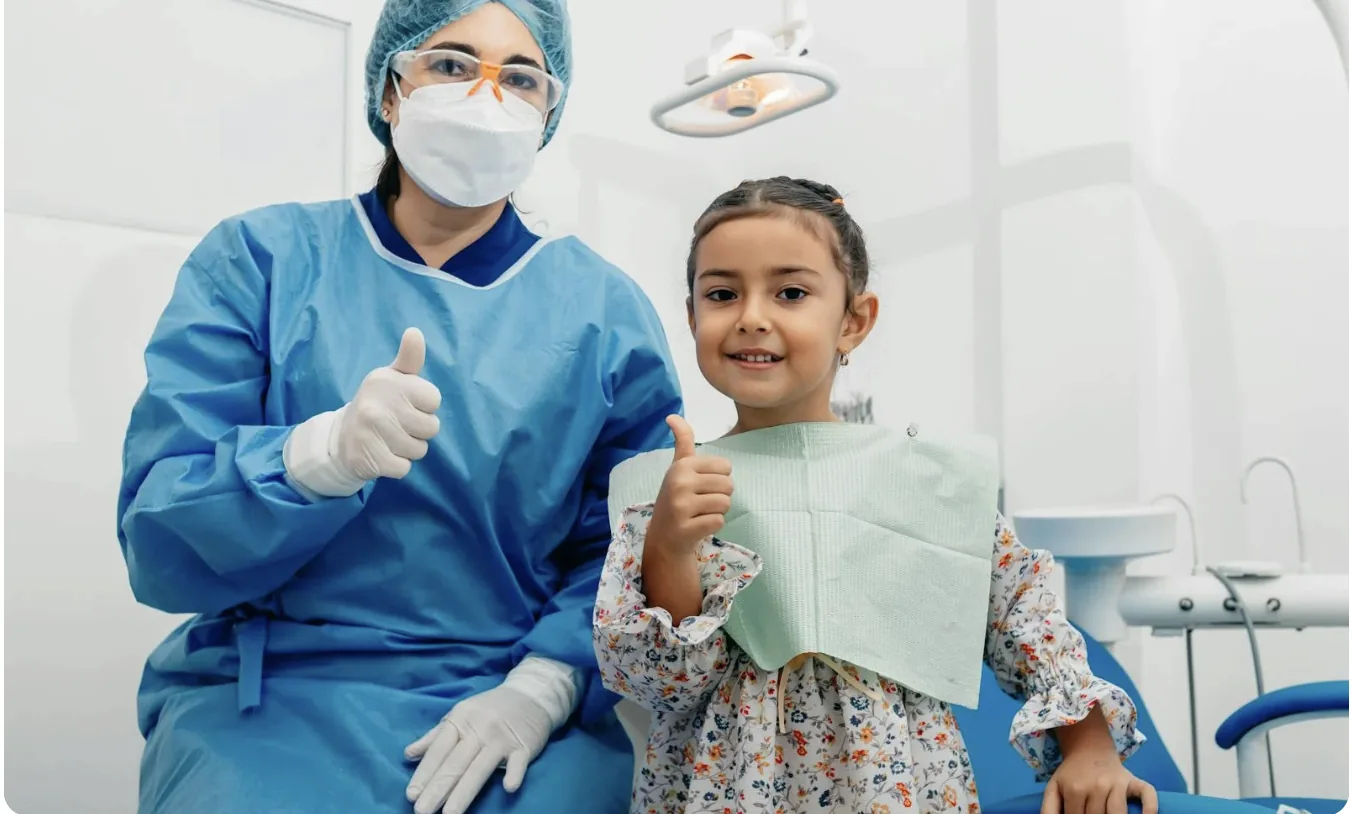
See how Notat AI turns one visit into a reviewed note, coding evidence, referrals, patient instructions, and follow-up tasks without autonomous care.
AI should automate the repetitive work created by a clinical visit: organizing the encounter, drafting the note, connecting coding evidence, preparing referrals and patient instructions, and surfacing follow-up tasks. It should not make autonomous clinical decisions or bypass clinician approval.
What work begins when a patient visit ends?
The conversation may be over, but the clinician still has to complete the record, confirm codes, prepare documents, communicate next steps, and remember follow-up actions. When those tasks are handled in separate systems, the same plan is rewritten several times for different audiences.
That duplication is the core after-visit problem. The note, referral, patient summary, and task list may look different, but they should all reflect the same clinical decisions.
What should an AI after-visit workflow produce?
A useful workflow can turn one reviewed clinical context into:
- A structured clinical note.
- Evidence-linked ICD-10 suggestions.
- A referral or clinical letter.
- Plain-language patient instructions.
- Medication and follow-up tasks.
- EHR-ready output.
The clinician should not have to recreate the encounter for every output.
Why one clinical context is better than separate AI tools
Separate tools can introduce drift. A note may describe one follow-up interval while a patient summary describes another. A referral may omit the medication change documented elsewhere. Each additional generation step becomes another place to review meaning.
Notat AI uses FactsContext™ as the shared foundation. It extracts symptoms, findings, medications, diagnoses, decisions, and plans before generating downstream documents. The clinician can review that context once, correct it, and use it as the source for multiple outputs.
This is what makes Notat a clinical AI platform, not only a note generator.
What does the Notat AI workflow look like?
- Capture the visit: The clinician talks naturally with the patient; no dictation commands are required.
- Review the facts: Notat organizes the clinical information into a visible FactsContext.
- Review the note: The draft is generated from those facts and remains editable.
- Confirm codes and documents: Suggested codes, referrals, and instructions use the same clinical context.
- Approve and transfer: The clinician decides what enters the record and what the patient receives.
The clinician remains the final authority at every stage.
How does this reduce after-hours work?
The biggest time loss often comes from reconstructing visits later. When the context and draft are ready close to the point of care, review becomes a check of organized information rather than an attempt to remember what happened several hours ago.
Notat AI is designed to keep documentation inside the clinical workflow, so the last patient does not automatically create another evening of charting.
What should never be automated without review?
Patient-facing medical guidance, new diagnoses, medication instructions, safety-net advice, and final codes require clinician verification. AI can draft and organize these items, but the clinician must confirm that they match the actual plan.
The clinical AI evaluation page explains how Notat approaches unsupported-statement risk and the limits of clinical AI.
FAQ
Does Notat AI act autonomously after the visit?
No. Notat drafts outputs from the encounter and makes the clinical facts visible. The clinician reviews and approves the final content.
Can one encounter create both a note and patient instructions?
Yes. They serve different audiences, but both can be drafted from the same reviewed FactsContext.
Does this replace the EHR?
No. Notat AI prepares clinician-approved, EHR-ready output and supports integration and transfer workflows.
The bottom line
The best after-visit workflow does not automate judgment. It stops clinicians from rewriting the same encounter across notes, codes, referrals, instructions, and tasks.
The right system should prove this workflow with a real consultation: visible clinical context, reviewed documentation, and useful next steps without autonomous care.