



Technology

Built for healthcare-grade deployment

Designed for healthcare organizations with strict requirements for privacy, uptime, and operational control. Deploy on-prem, in the cloud, or in a hybrid setup on the same core architecture, with support for notes, discharge summaries, and treatment plans. Adapted for national care workflows and public e-health services.

In plain language

On-prem

Runs within your own hospital or clinic infrastructure instead of a public cloud.

Hybrid

Keeps sensitive services local while using approved cloud infrastructure where appropriate.

Cloud

Runs on dedicated EU/EEA infrastructure for teams that prefer cloud deployment.

Architecture and deployment

In practice: Start with one workflow and scale without rebuilding the platform.

Notat AI is built as a modular clinical AI platform. Components can be enabled or disabled without reworking the full system.

On-prem: run the full stack in your own environment with local control of network, storage, and access.

Cloud: deploy on dedicated infrastructure in the EU/EEA.

Hybrid: combine local services with selected cloud services for faster rollout and greater flexibility.

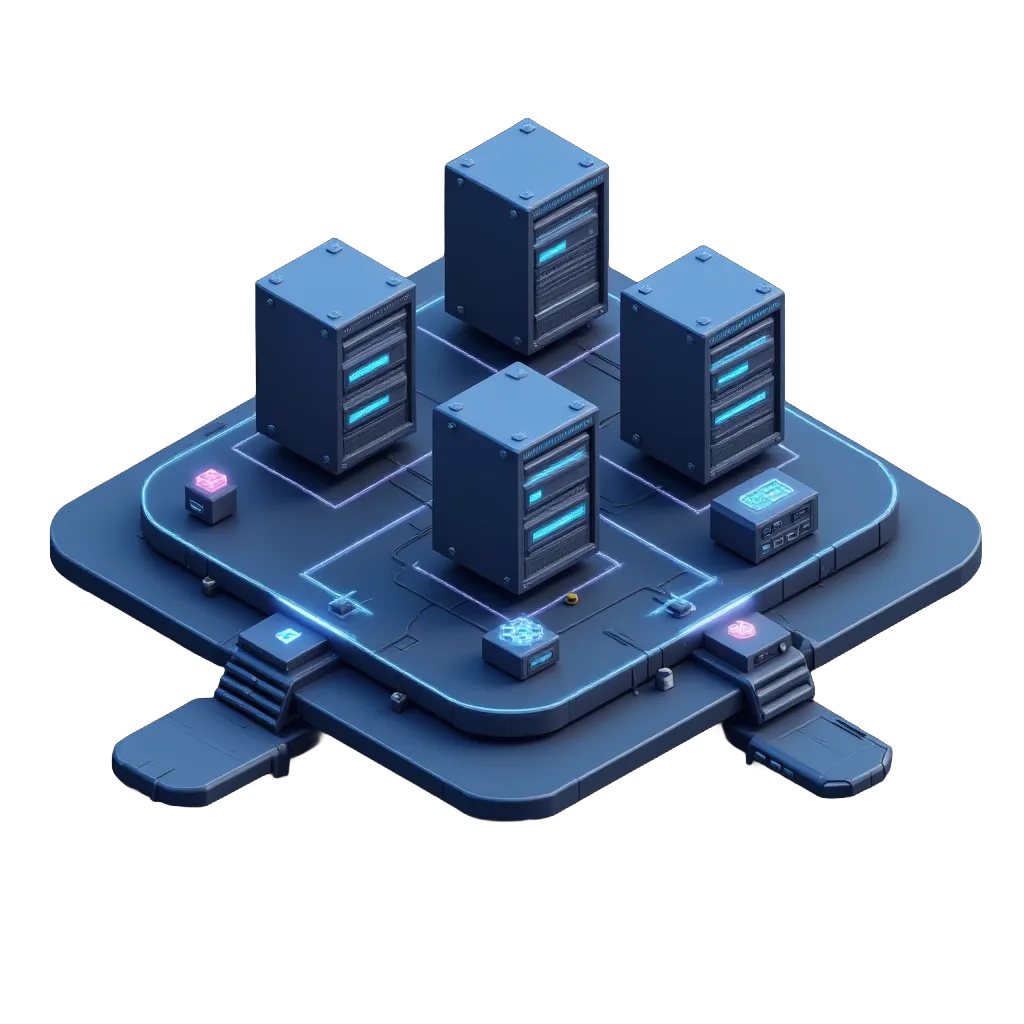
Illustration of modular clinical AI architecture across on-prem, cloud, and hybrid environments.
Illustration of open-source model stack, controlled fine-tuning, validation gates, and version control.

Model control and governance

In practice: Adapt models to your clinical language with clear release and rollback control.

The platform supports controlled fine-tuning for terminology, language, and documentation style.

Support for modern open-source ASR and LLM model families.

Dedicated runtime per customer environment where needed.

Model and configuration versioning with validation gates before production rollout.

Clear rollback paths.

No automatic production model training on processed clinical data.

Real-time clinical workflows

In practice: Reduce after-hours documentation by assisting during the visit itself.

The system is built for real-time clinical workflows with low-latency conversation processing and output generation.

Chunk-based processing for responsive output.

Structured extraction of medical facts in real time.

Support for notes, discharge summaries, and treatment plans in a single workflow.

Illustration of real-time clinical conversation processing into structured documentation outputs.
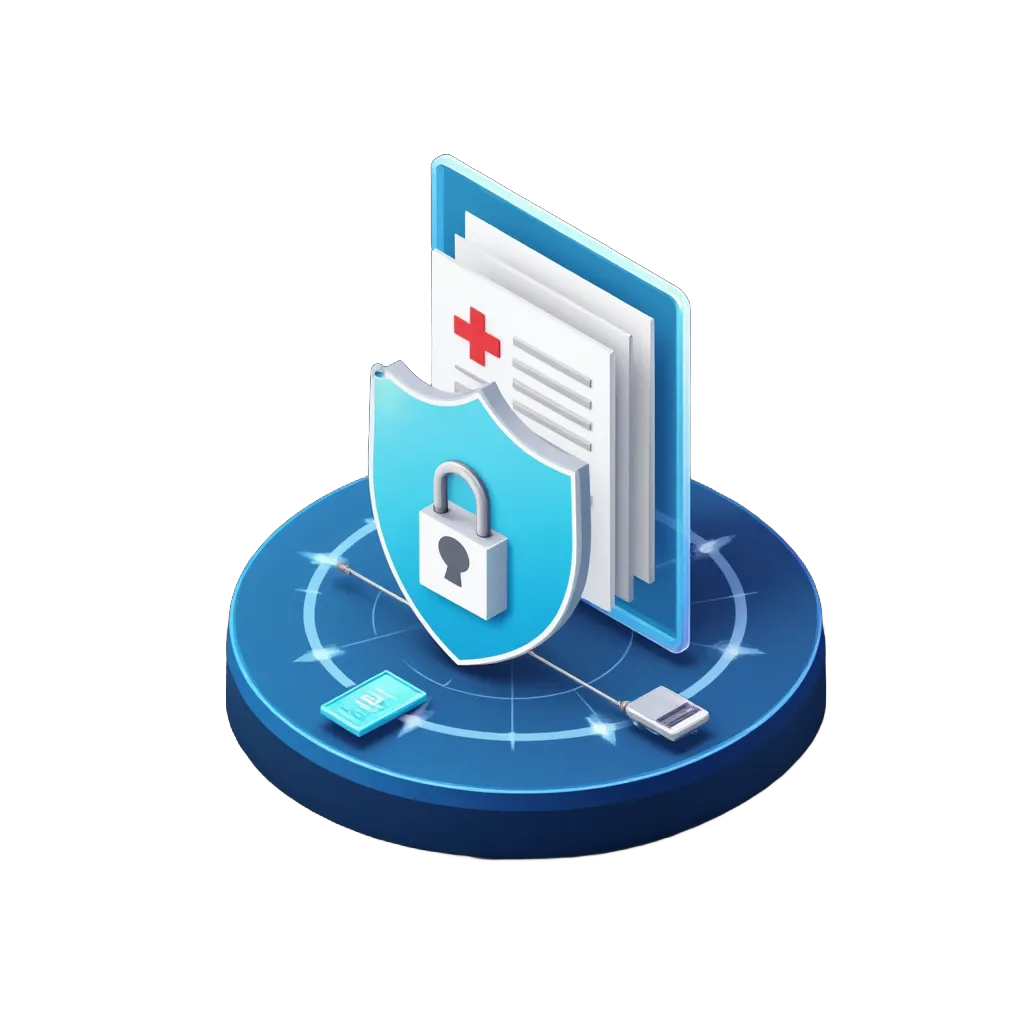
Illustration of healthcare security architecture with encryption, access control, segmentation, and auditability.

Security and compliance foundation

In practice: Security controls are built into the architecture from the start.

Encryption in transit and at rest.

Role-based access control with least-privilege defaults.

Network segmentation, audit logs, and operational traceability.

Reliability and operations

In practice: Keep the platform resilient as usage grows and services are updated.

Kubernetes-based orchestration for scalable, resilient runtime.

Rolling updates with minimal disruption.

Service isolation for fault containment and security.

Standardized environments and clear deployment flows for safer rollouts.

Automated testing and security checks before production release.

Illustration of Kubernetes operations, CI/CD automation, observability, and incident response.

Engineering practices for robust quality

These are the technical rituals we follow to deliver secure, resilient, and high-quality healthcare software in production.

DevSecOps

Security, quality, and release governance are embedded across the full delivery lifecycle.

Platform Engineering

Standardized platform patterns improve delivery speed and reduce operational risk.

AIOps

AI-assisted operations for faster anomaly detection and stronger incident response.

MLOps

Controlled operation, versioning, and monitoring of machine-learning models in production.

LLMOps

Evaluation, controlled rollout, and ongoing quality management for language-model systems.

Model Governance

Clear governance for model approval, accountability, change control, and ownership.

Policy-as-Code

Security and compliance policies enforced automatically inside CI/CD pipelines.

Secure SDLC

Security requirements, code review, and testing embedded throughout the software lifecycle.

Zero Trust

No implicit trust; every user, service, and request is explicitly verified.

Defense in Depth

Layered controls across network, application, and operations to reduce single-point risk.

Auditability

Critical actions are traceable through logs, audit trails, and operational history.

Observability

Metrics, logs, and traces provide faster diagnosis and better operational visibility.

SRE

Reliability practices with SLOs, resilience engineering, and structured incident response.

GitOps

Declarative operations and configuration managed through Git-based change control.

IaC

Infrastructure as Code for repeatable, versioned, and auditable environment management.

Data Residency

Control over where data is stored and processed to meet regional requirements.

Sensitive-data-safe

Architecture and operations designed for safer handling of sensitive healthcare data.